
There is a specific kind of ego death that happens on a golf course. It usually occurs on the first tee box, in front of a small crowd, when you’ve spent twenty minutes in the parking lot telling yourself you’re going to play like a pro—only to send a screaming line drive directly into the ball washer.
In that moment, you are exposed. You aren’t the “natural talent” you pretend to be. You’re just an amateur. A beginner. A guy who hasn’t mastered the tools in his hands.
For those of us in recovery, that feeling of being a “clumsy amateur” doesn’t stay on the course. It follows us home. It follows us into our relationships, our jobs, and our own heads. And honestly? It’s the reason a lot of people quit before they ever get to the “good part.”
The Mid-Life Rookie
When I got sober, I realized I was emotionally about fifteen years old.
Sure, I was a grown man with a company and responsibilities, but I had used alcohol to bypass every difficult feeling since I was a teenager. I didn’t know how to handle a disagreement with my spouse without slamming a door or a drink. I didn’t know how to sit through a boring Tuesday night without wanting to jump out of my skin.
I was a “rookie” at living well. And it was embarrassing.
We live in a culture that demands we be “pros” at everything immediately. We want the “30-day transformation.” We want the “overnight success.” We feel like if we aren’t already good at being happy, healthy, and centered, then we must be fundamentally broken.
But you wouldn’t expect a guy who just picked up a club for the first time to shoot par. So why do we expect ourselves to be masters of life the moment we put the bottle down?
The Beauty of the “Hack”
At Skull & Bogeys, we don’t design gear for the guys on the Tour. We design it for the “hacks.” We design it for the guys who are out there grinding because they love the game, not because they’ve mastered it.
There is a massive amount of freedom in admitting your amateur status.
When you admit you’re a beginner at living well, the pressure vanishes. You stop trying to “fake it until you make it” and you start actually learning.
- An amateur is allowed to ask questions.
- An amateur is allowed to make mistakes.
- An amateur is allowed to have a “bad round” without it being a catastrophe.
In my recovery, I had to learn to be okay with being bad at things. I was bad at meditating. I was bad at expressing my feelings. I was bad at staying calm. But because I accepted that I was a beginner, I didn’t have to give up when I failed. I just had to get back to the range.
The Pro-Shop of the Soul
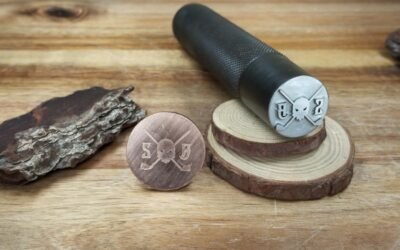
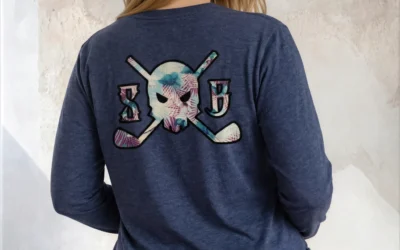
The “Skull” in our brand is the ultimate equalizer. It’s a reminder that regardless of your handicap, we’re all made of the same stuff and we’re all heading to the same clubhouse in the end. The “Bogey” is the honest admission that we’re probably going to miss the mark today.
But that’s okay.
If you’re feeling like a failure because you haven’t “figured it all out” yet—if you’re still struggling with the basics of being a functional, happy human being—give yourself a break. You’re an amateur. You’re in training.
The goal isn’t to be a “pro” at life. The goal is to stay in the game long enough to enjoy the walk.
Stop worrying about looking like you know what you’re doing. Put on your gear, grab your bag, and head to the tee. It doesn’t matter how many times you shank it into the woods as long as you’re willing to go in there, find the ball, and keep playing.
Real growth starts when you stop pretending you’re an expert and start admitting you’re a student.
Respect the grind. Accept the score. Visit skullandbogeys.com for gear that handles the struggle.